
Columns, rafters and beams
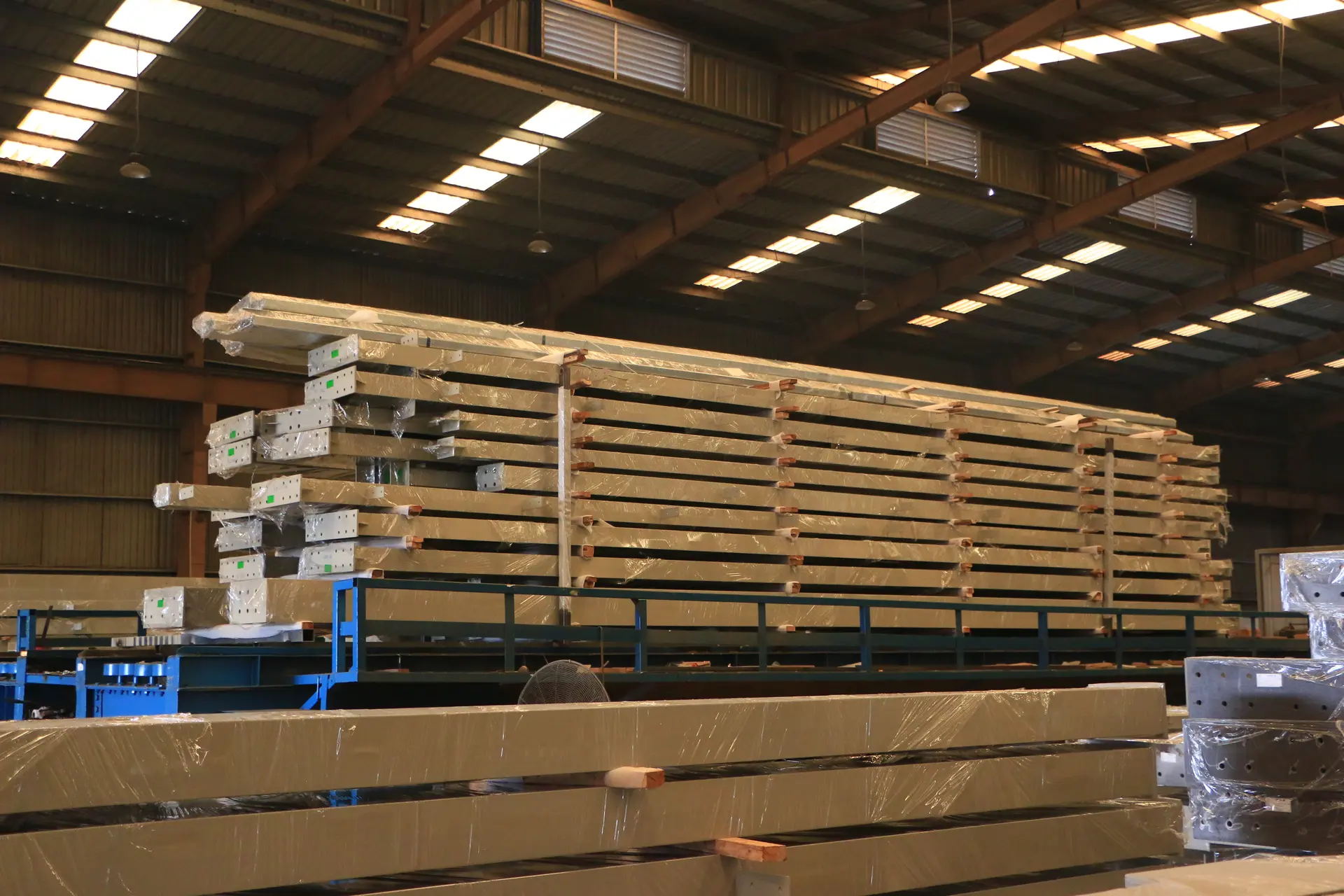
Large, heavy members are laid on 20×80 or 40×80 timber, strapped into bundles and PE-wrapped when required.
Container packing process
A written 11-step packing procedure, the same packing materials every time, a QA/QC sign-off before each container is closed, and photos of every stage – so your steel reaches the Thai port and your site complete, straight and with its paint intact.
Why packing matters
A member that arrives scratched, bent or missing stops a crane on a Thai site. That is why packing at World Steel follows a written packing procedure: the shipment is planned 10 days ahead, every piece is inspected and sorted, the load is built on a steel push skid with timber, foam and fabric at every contact point, and QA/QC signs the release before the skid is pushed into the container.
Every stage is photographed and filmed, every container leaves with its packing list, delivery note and seal photos, and the records are kept by our logistics team.
Packing procedure
The same sequence for every container that leaves our factory in Tay Ninh for Thailand.
Step 1 / 11
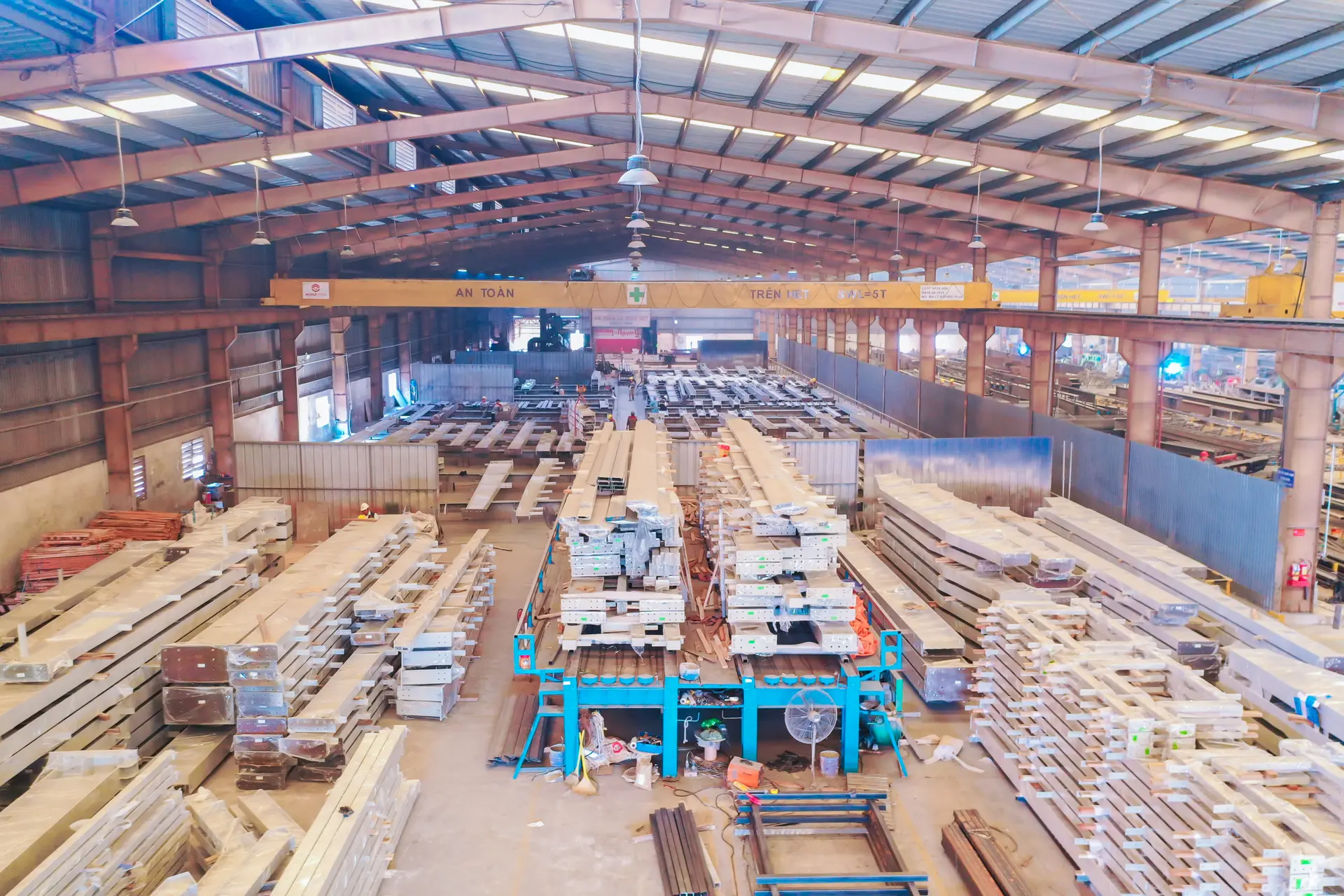
The Planning–Production department issues the packing plan 10 days before loading, so packing materials can be checked and bought in time. Crew, lifting equipment and the goods themselves are checked before packing starts.
Step 2 / 11
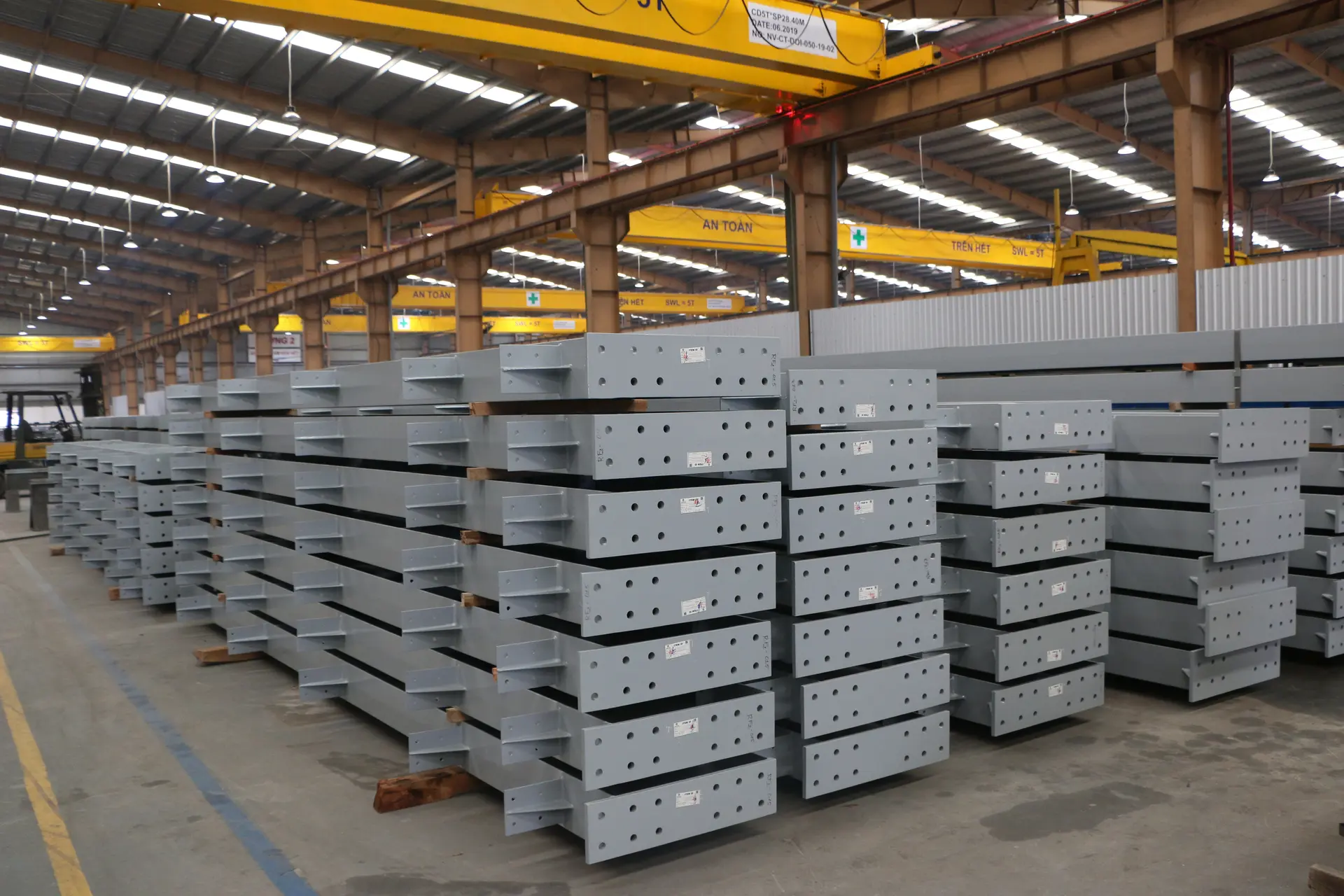
All goods of the shipment are gathered in the packing area following the list, then sorted by shape, size and weight to plan the packing order of each type.
Step 3 / 11
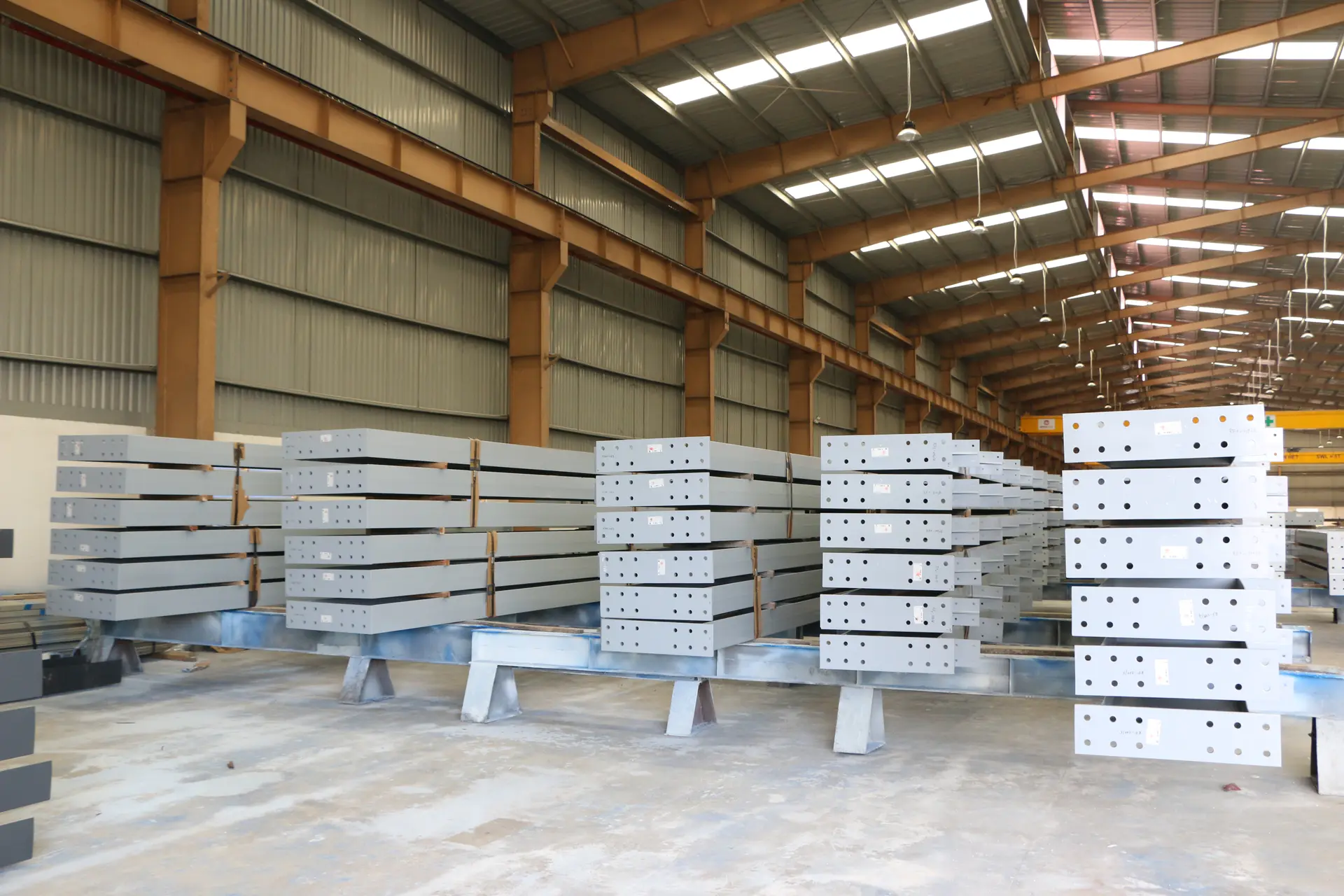
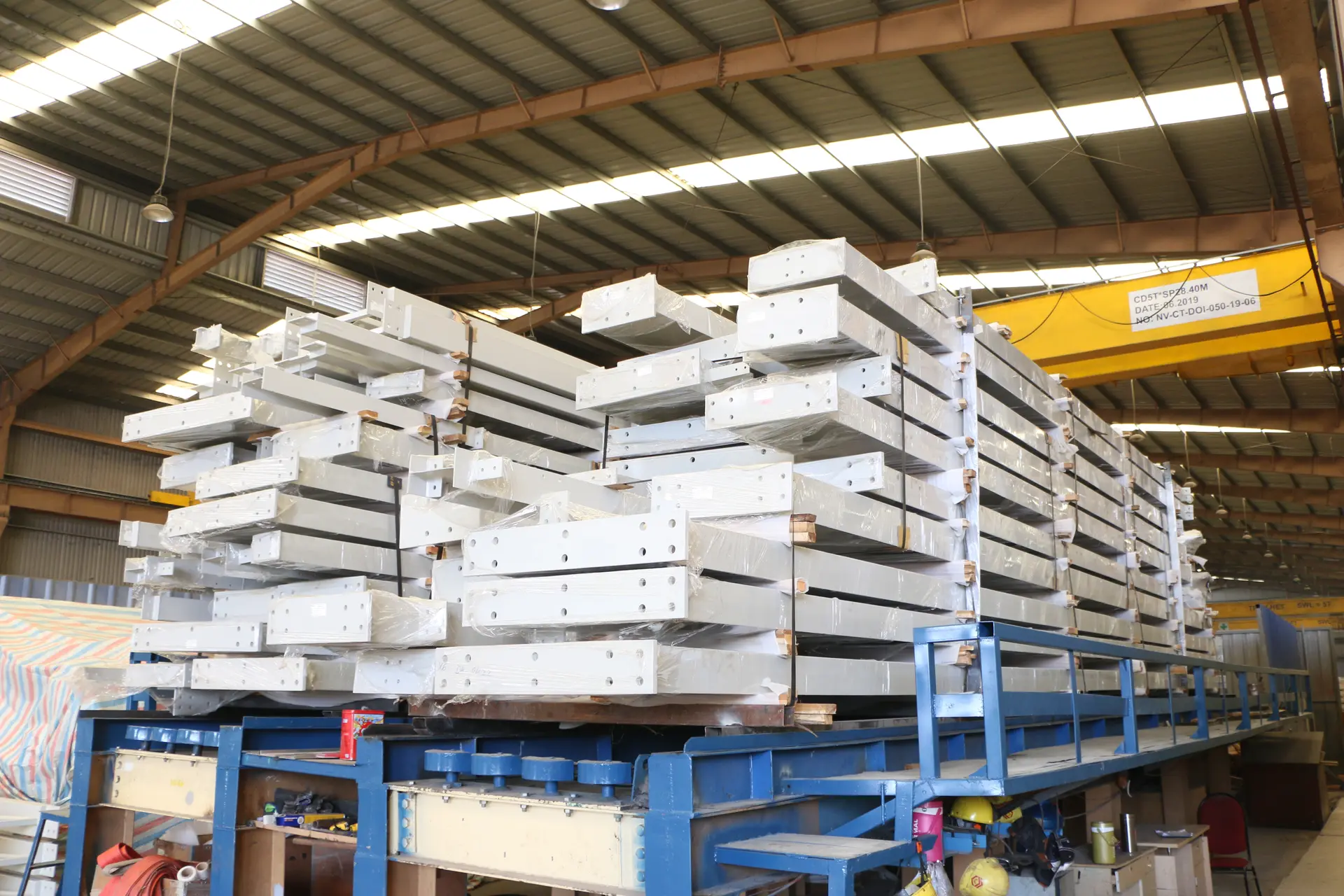
Each type of goods has its own packing method – timber dunnage and strapped bundles for members, pallets for small parts, bundles for purlins and sealed wooden crates for bolts and paint. A packing list is attached to every bundle, pallet and crate.
Step 4 / 11
The cargo support frame (push skid) is lifted onto the loading floor with slings and a crane. It is numbered to match its container or truck and turned in the direction it will be pushed.
Step 5 / 11
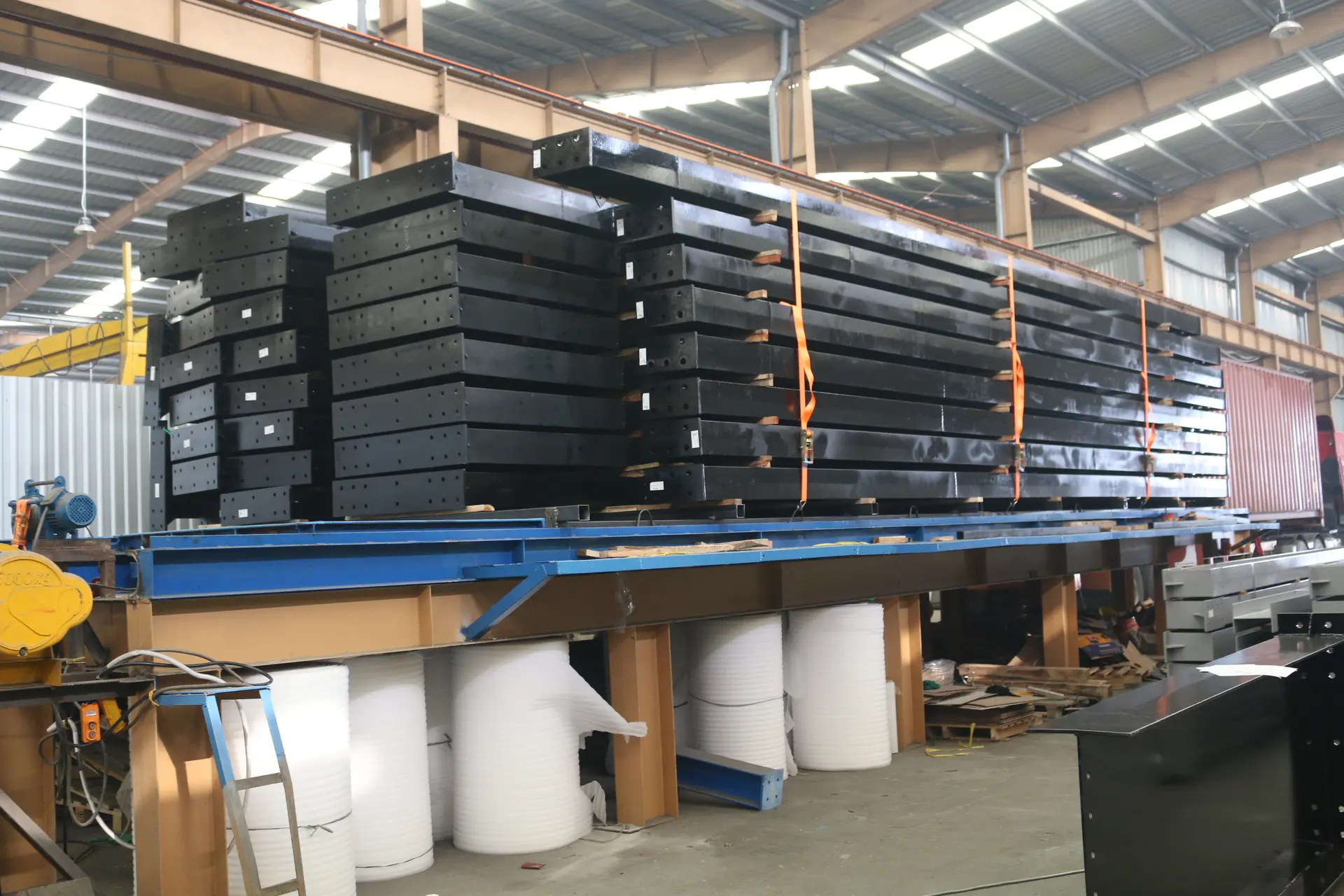
Timber, foam and fabric are placed on the crossbars of the skid and fixed in position, so the goods never touch the steel frame during loading or transport.
Step 6 / 11
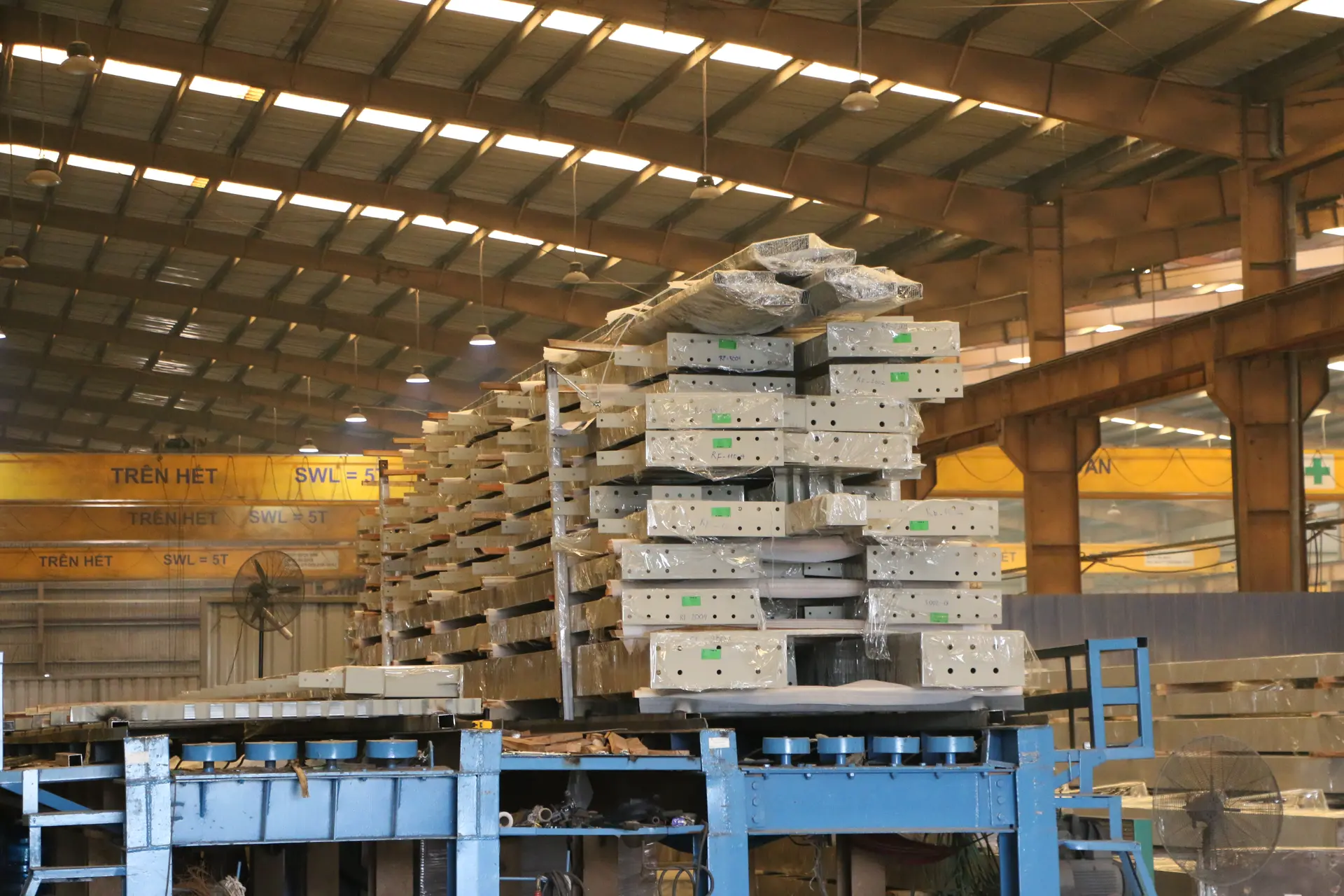
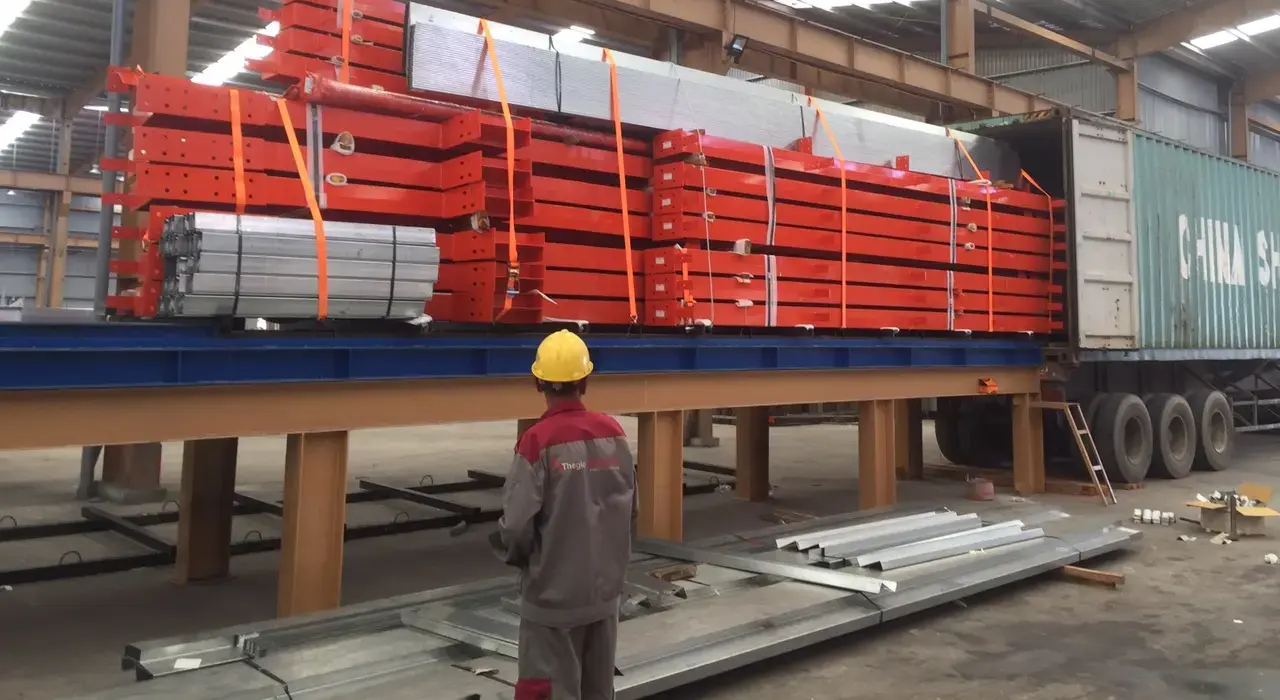
Members are lifted with the crane and placed on the skid in the shipment order. Fabric or foam is placed at every contact; timber keeps pieces from rubbing each other, the container frame or the lashings; cables, straps or steel wire lock each layer.
Step 7 / 11
For export containers four stand-up posts are welded to the skid and crossbar to lock the cargo into one solid block. Goods loaded on a truck deck are fixed with 2–4 chains at the ends and fabric straps in the middle. Any scratch from lifting is repaired.
Step 8 / 11
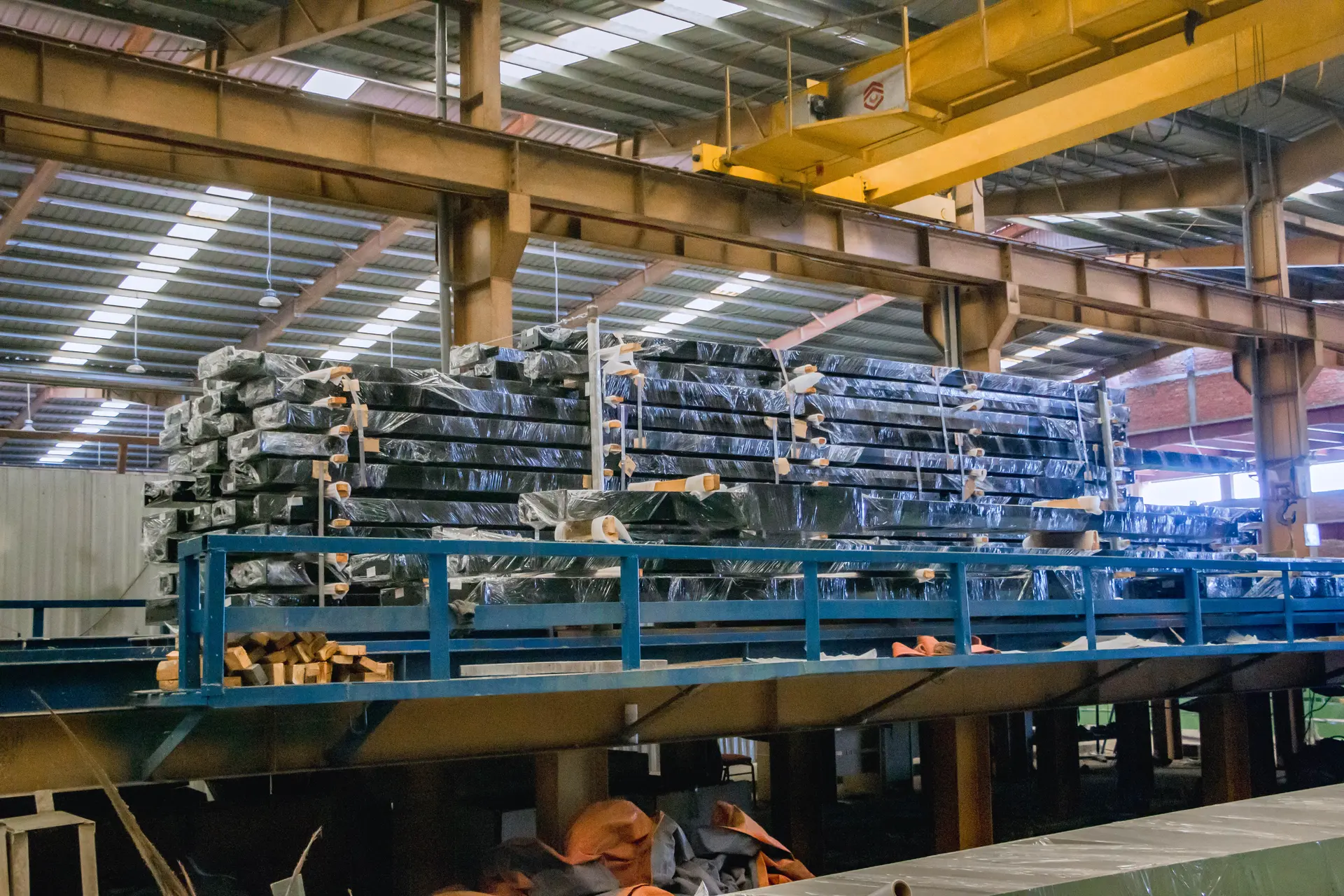
QA/QC inspects the load before it is pushed into the container. If anything is not secure, QC orders the fix and only then signs the release. Repeated problems get an NCR; serious defects stop the shipment.
Step 9 / 11
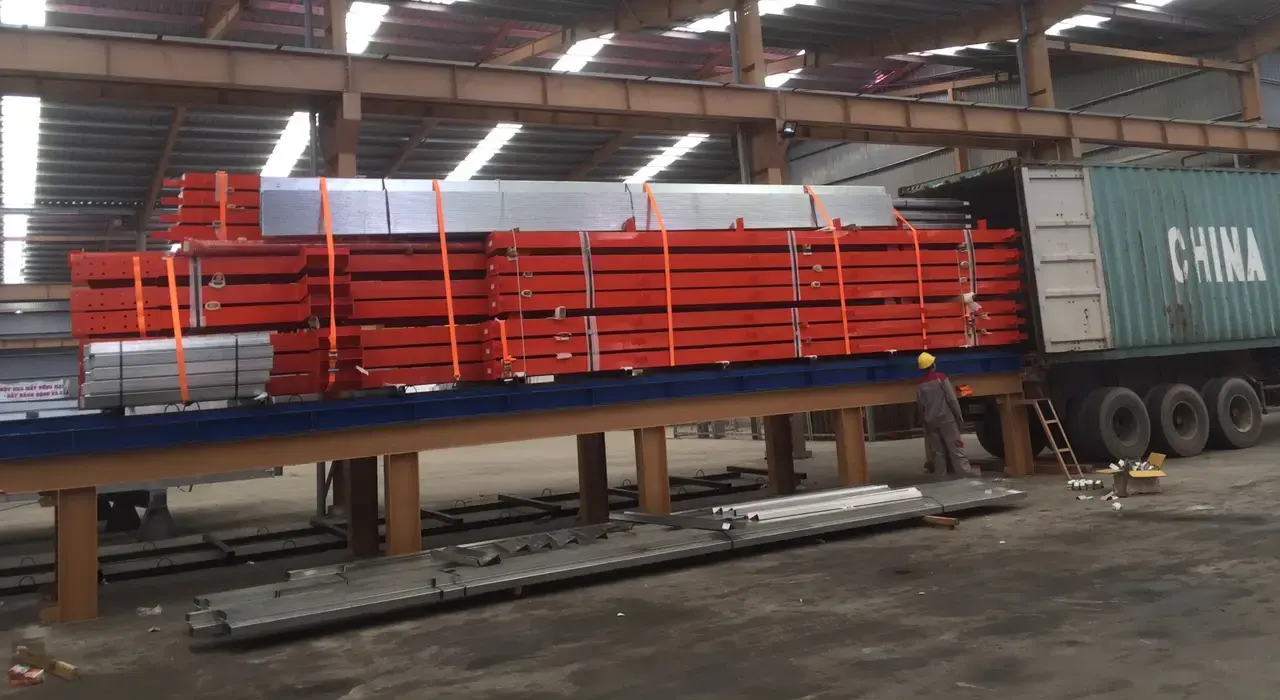
A container pusher slides the skid and goods into the container. The skid must be centred and the goods must not rub either wall – if they do, we stop, correct and push again. The delivery note is fixed at the top of the container.
Step 10 / 11
The packing team hands the container packing list to the warehouse for release. The container is sealed – or the haulier’s chains and cables are checked – and the final packing list goes to our export team for the shipping and customs documents.
Step 11 / 11
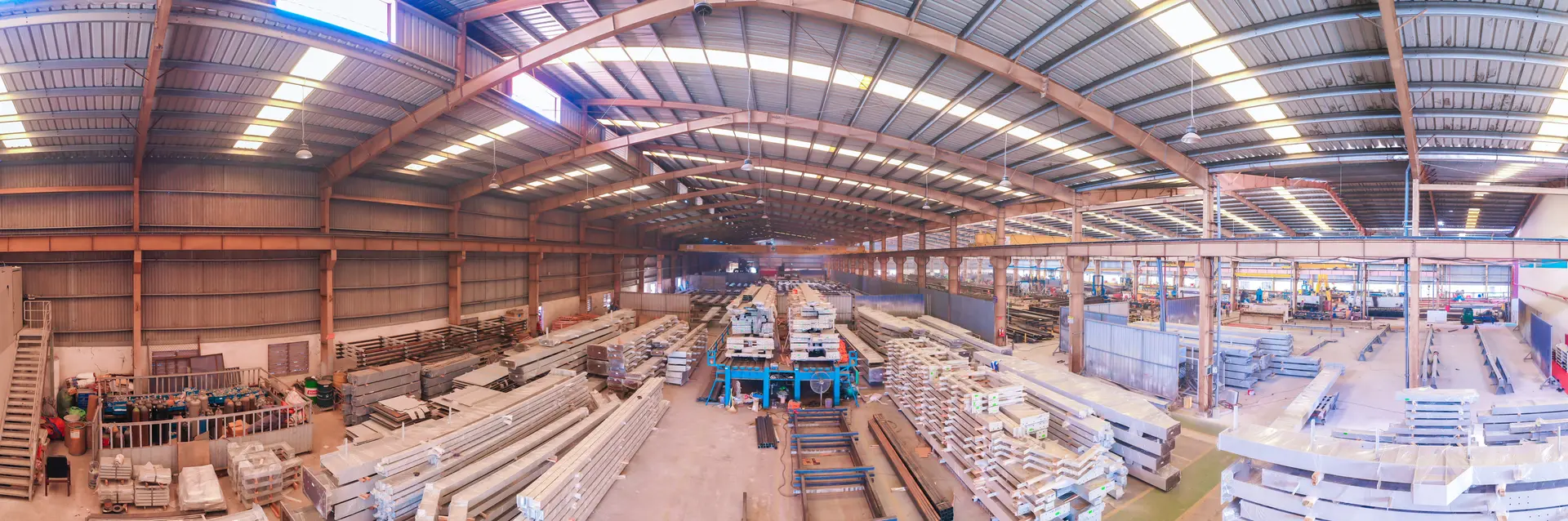
Original documents are filed by the Logistics department and scanned online together with the packing photos, so any container can be traced later.
By type of goods
Every bundle, pallet and crate carries its packing list, so your site team can check each package against the shipment.
Large, heavy members are laid on 20×80 or 40×80 timber, strapped into bundles and PE-wrapped when required.
Cleats, bracing pieces and anchor bolts are bundled with timber, strapped and loaded on wooden pallets.
Rods are strapped in profiled timber bundles and PE-wrapped when required.
Bundled straight from the roll-forming line, 1–2 T per bundle, PE-wrapped when required.
Bulk small items and fragile heavy items such as chemical anchors go in sealed wooden crates.
Touch-up paint and solvents are packed in sealed wooden crates.
Inside the container
We do not stack steel loosely inside a container. The load is built on a steel push skid in the packing area, where the crane can place every member and QA/QC can see every lashing, then pushed in complete.
Four stand-up posts welded to the skid and crossbar lock the cargo – nothing shifts at sea.
Foam, fabric and timber at every contact; no piece rubs another, the walls or the lashings.
The skid centre is aligned with the container; if goods touch a wall, we stop and correct.
Skid plates are screwed to the container floor so the wooden floor is not damaged in transit.
The delivery note is fixed at the top of the container before it is closed.
Each container is sealed and the seal is photographed before it leaves the factory.
Packing materials
| Material | Specification | Used for |
|---|---|---|
| Timber dunnage | 20×80 and 40×80 mm, solid wood | Under and between bundles and layers |
| Steel strapping | Black steel strap 3.2×0.8 mm, rust-free | Bundling members and purlins |
| Protection | PE wrap film (when required), 2 mm foam, fabric | Protects paint at every contact point |
| Lashing | Rope, plastic-coated steel cable D10 or larger, tensioners | Locks each layer of the load |
| Wooden pallets | 400×800, 600×1000 and 1000×1200 mm | Small parts and fittings |
| Wooden crates | 600×600×600 and 800×800×1200 mm, termite-free | Bolts, anchors, paint and loose items |
| Push skid | 2000×5500 mm (20') and 2000×11000 mm (40'), box steel 80×80×2.5 | The load is built outside, then pushed in as one block |
| Cargo jigs | V5 angle and 60×60×2.5 box section | Stand-up posts that lock the load on the skid |
QA/QC control
Packing is part of our quality system. The same QA/QC team that inspects fabrication and painting releases every load.
QA/QC checks every load on the skid before it goes into the container.
If the load is not secure, QC orders the reinforcement and signs the release only when it is done.
Recurring problems get a non-conformance report to the departments involved, followed until closed.
For serious defects QA/QC raises an NCR and keeps the goods in the factory until the problem is fully solved.
If QA/QC releases goods that do not meet the requirements, the QA/QC department answers to the company for the cost.
Errors we do not allow
Taken from the “errors to avoid” chapter of our packing procedure, with a right and a wrong example for each rule.
No lift is made on a bare painted surface.
Items longer than 5 m – rod bracing, angle bracing, purlins – are lifted with a spreader bar and protection.
Finished products are fully covered with a suitable tarpaulin.
Finished products stay covered so dry spray from the paint line cannot reach them.
Support bars are covered with foam so they never touch the finished product.
Every strap position is lined with foam or hard carton.
Supports welded on the loading skid are shielded so there are no burn marks.
Skid plates are screwed to the container floor to protect the wooden floor in transit.
Components never touch each other.
Every timber support is wrapped with foam.
What you receive
Every bundle, pallet and crate of the container, also attached to the goods.
Fixed at the top of each container.
The container seal photographed before it leaves the factory.
Every stage of the packing and loading, shared with you.
Signed when the container is released from our warehouse.
Sent to our export team for the shipping and customs documents.
From our packing area
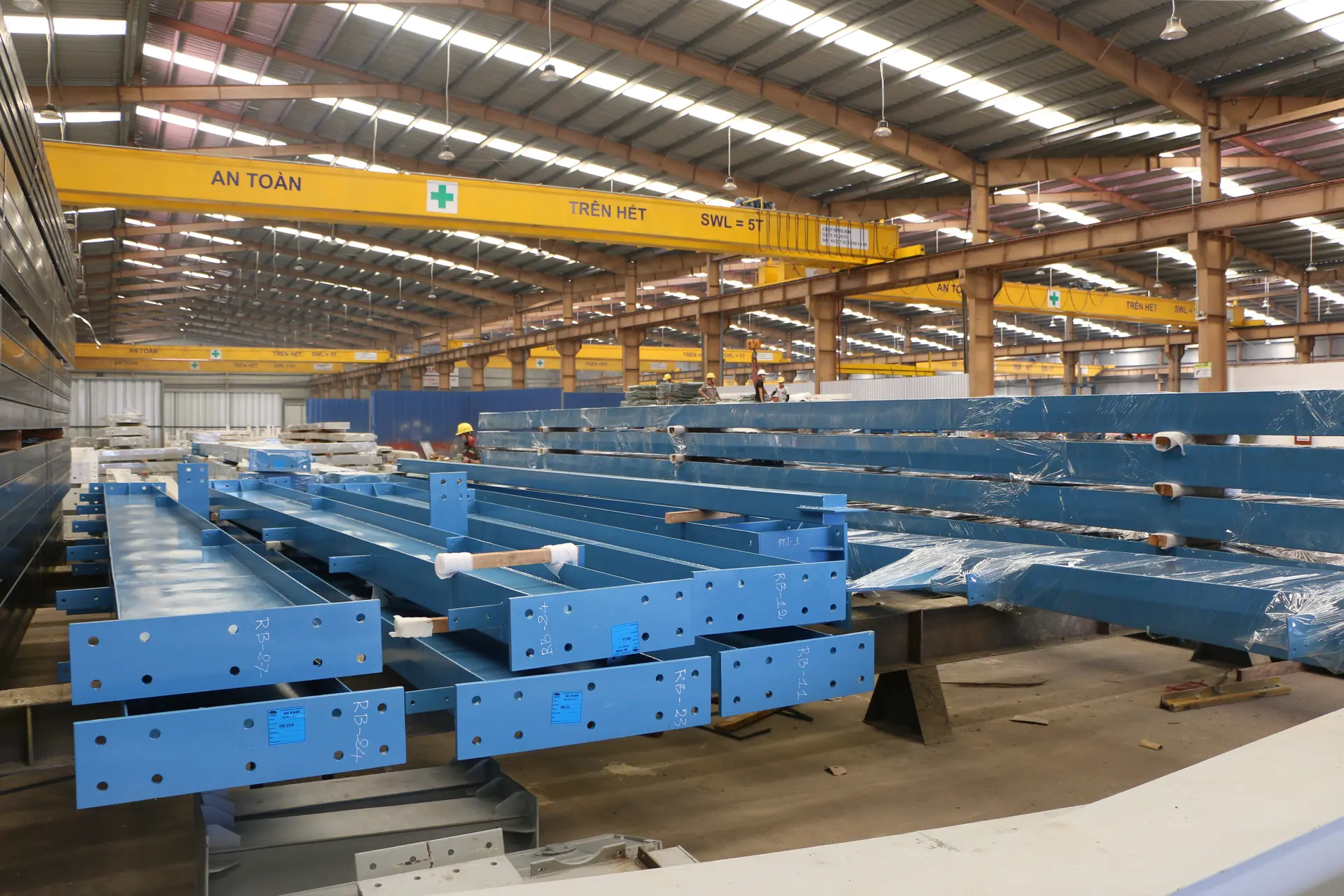
Load built in layers with timber separators on a push skidMembers placed on the push skid in shipment orderLoad strapped and locked before the QA/QC checkStrapped members and foam rolls ready for liningPE-wrapped members loaded on the skidPainted members sorted for packingColumns on timber skids with spacers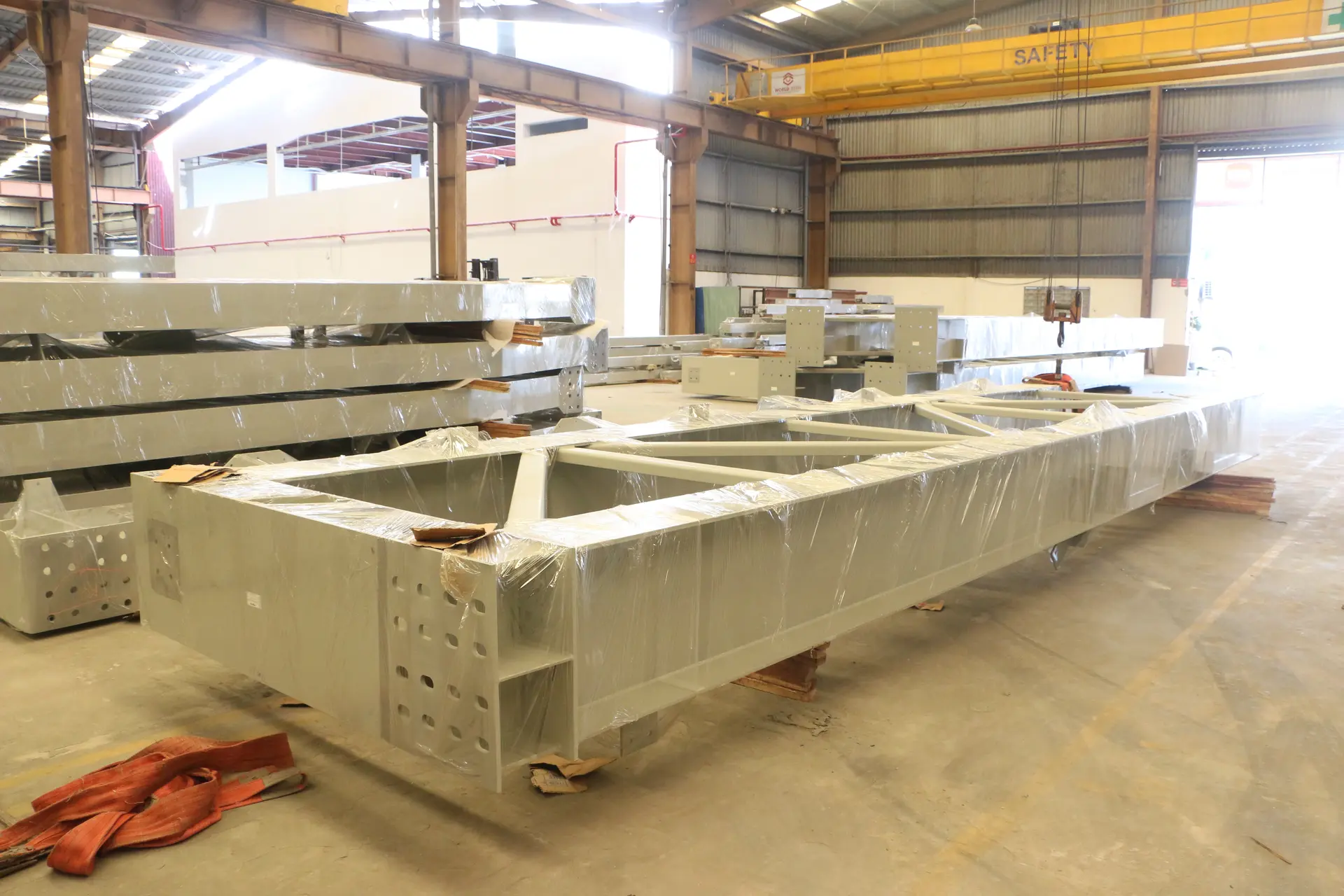 Large member PE-wrapped for transportGoods gathered and sorted by shape and size
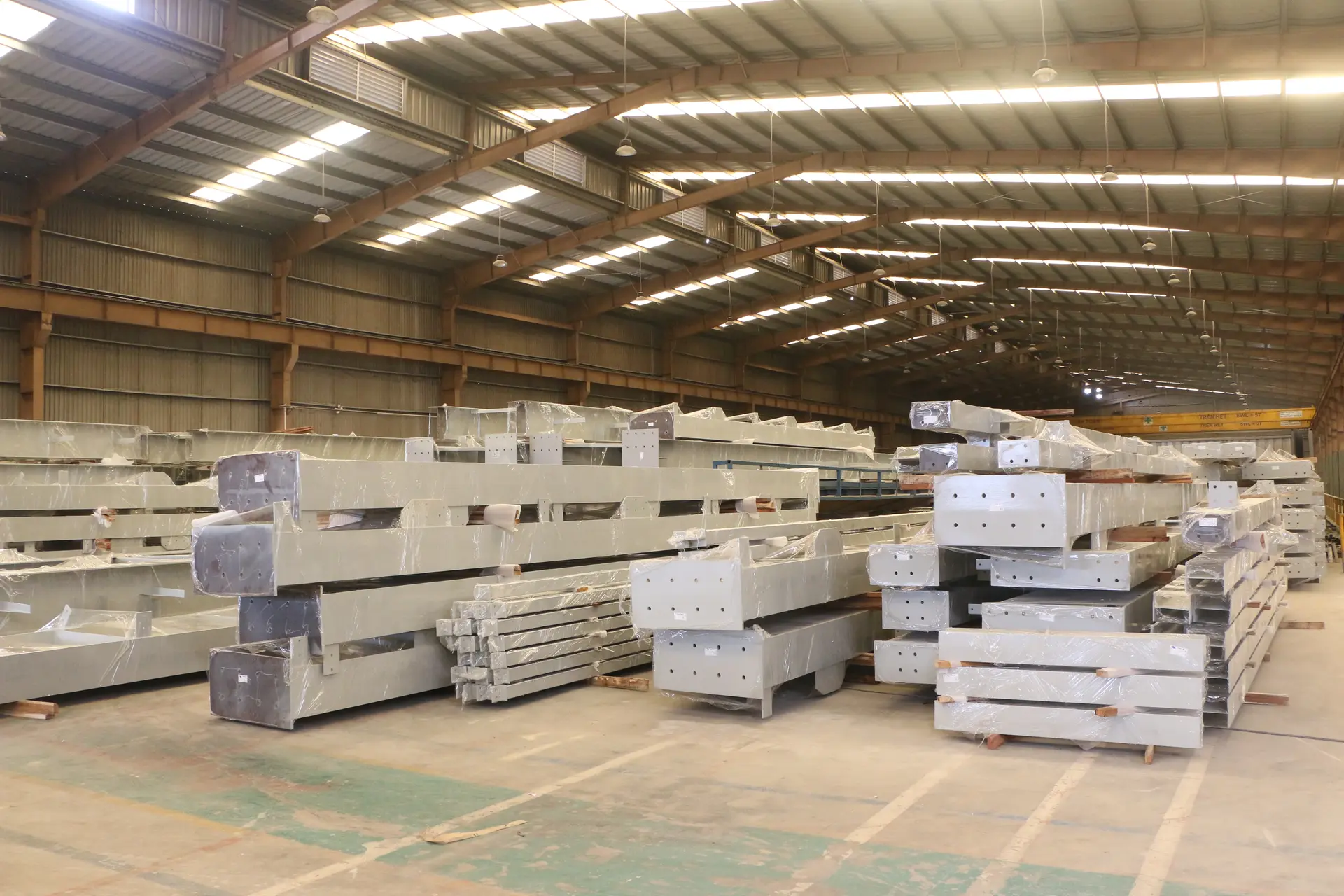 Members laid out against the packing list
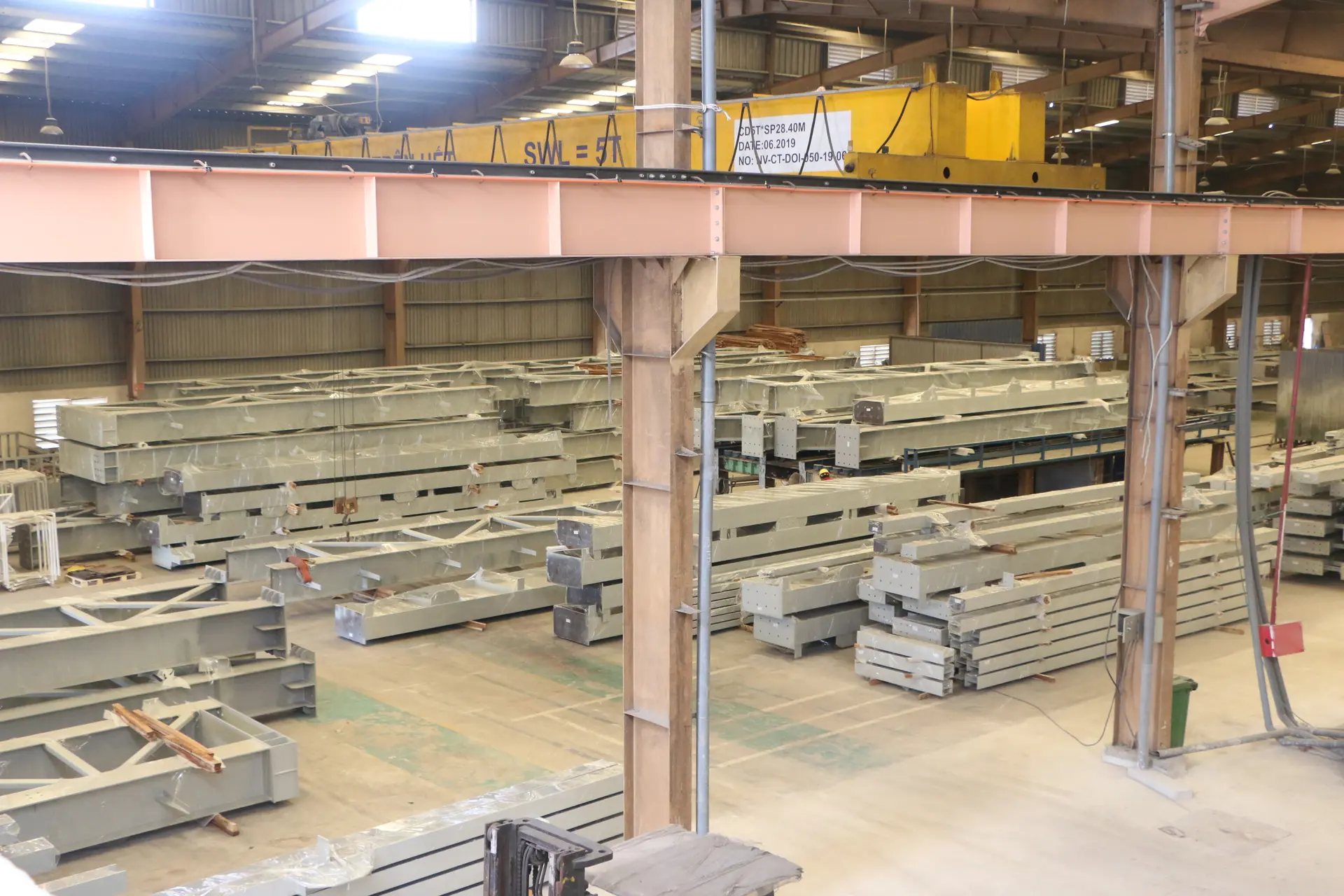 Members classified before packing
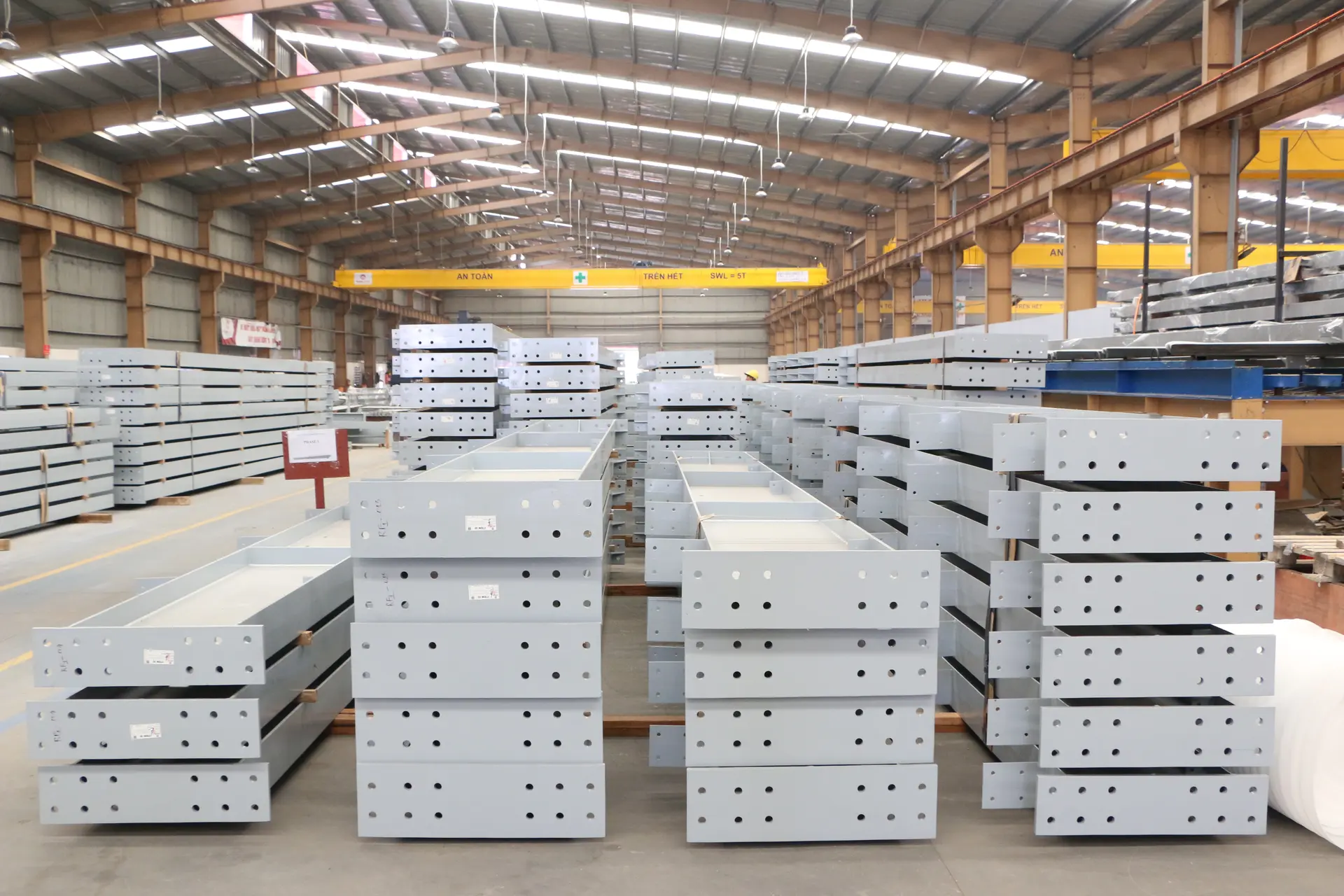 Bundles waiting for their containerPacked skid lined up with the containerContainer ready for the pushThe packing and container loading area
Before and after packing
How your members are cut, welded, blasted and painted before packing.
The inspections every member passes before it reaches the packing area.
From our factory to Cat Lai port and on to the Thai ports.
To a Thai port or straight to your site.
Lines and transit times from Vietnam to Thailand.
Laem Chabang, Bangkok, Songkhla and the other ports we deliver to.
Who pays for packing, freight and insurance, and who carries the risk.
From the first call to handover on your site.
Talk to a person
E-mail any of us directly. We answer in English or Thai, usually within one working day.
Global Sales Director
victorSales Director
chien.ndSales Manager
avisSales Manager
liam.salesFAQ
On a skid in the packing area the crane can place every member exactly, timber and foam go at every contact, and QA/QC can check every lashing. The finished load is then pushed into the container as one solid block.
Each layer is lashed with straps, cables or steel wire, and four stand-up posts welded to the skid and crossbar lock the cargo into one block. Skid plates are screwed to the container floor.
Foam or hard carton under every strap, foam on support bars and timber, no direct contact between pieces, a spreader bar for long items and tarpaulin covers against dust and water.
Purlins are bundled straight from the roll-forming line, 1–2 T per bundle, PE-wrapped when required, each with its packing list.
Yes. We photograph and film every stage of packing and loading, photograph the container seal and keep the handover minutes, and share them with you.
Our QA/QC department. It inspects the load before it is pushed in, orders any reinforcement and signs the release; serious defects stop the shipment.
Structural design, fabrication, fire protection and CIF or DDP delivery in one quotation. Answer within 48 hours.